
Guinea pigs and hamsters are often assumed to be simple starter pets, but both have specific space, diet, and housing needs that surprise many first-time apartment owners.
Small mammals like guinea pigs and hamsters have real advantages for apartment living — no walks required, contained living spaces, and generally quiet compared to dogs or birds. But “small pet” doesn’t mean “low-maintenance pet,” and both species have specific requirements that commercial starter cages often fail to meet.
Understanding the actual space, social, and dietary needs of each species before bringing one home prevents both health problems for the animal and disappointment for the owner expecting a lower-effort pet than reality delivers.
This guide covers the core care basics for both species. If you’re weighing other compact apartment pet options, our guides to reptiles and fish tanks in rentals cover two other options with their own distinct considerations.
How Much Space Does a Guinea Pig Actually Need?
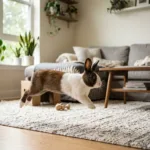
More than most commercial cages provide. According to the Humane World for Animals, a single guinea pig needs a minimum of 7.5 square feet of floor space, with two guinea pigs needing at least 10.5 square feet — well beyond what most standard pet-store cages offer. Because guinea pigs are ground-dwelling and don’t climb, vertical space doesn’t substitute for floor area the way it can for other small pets.
Should Guinea Pigs Be Kept Alone or in Pairs?
In pairs or small groups, generally. Guinea pigs are highly social animals, and a solitary guinea pig can experience real stress from a lack of companionship. Most guinea pig rescue organizations and care guides recommend housing at least two compatible guinea pigs together, which also means the required floor space increases accordingly rather than staying fixed regardless of how many pigs share the enclosure.

What Does a Guinea Pig’s Diet Actually Require?
Guinea pigs have one dietary requirement that catches many new owners off guard. According to VCA Animal Hospitals, guinea pigs require a dietary source of vitamin C, since — like humans — they cannot synthesize it themselves, and a diet lacking this nutrient can lead to scurvy. The core of a healthy diet should be unlimited timothy or other grass hay, supplemented with a modest amount of vitamin C-fortified pellets and fresh vegetables, rather than the seed-and-nut mixes sometimes marketed as complete diets.
How Much Space Does a Hamster Actually Need?
Also more than typical starter cages provide, particularly for Syrian hamsters. According to MSPCA-Angell’s housing guidelines for small animals, hamsters generally need at minimum a 12-by-12-by-20-inch wire cage or a 20-gallon aquarium for one to three hamsters, though larger, multi-level enclosures provide meaningfully better quality of life than the bare minimum.
Should Hamsters Be Housed in Pairs Like Guinea Pigs?
No — this is an important difference between the two species that surprises many first-time owners. Syrian, or “Teddy Bear,” hamsters are strictly solitary and should be housed alone, since housing them together typically leads to serious fighting rather than companionship. This is the opposite of guinea pig social needs, so it’s worth confirming which species-specific guidance applies before assuming social housing recommendations transfer between small pets generally.
Are Hamsters Noisy Enough to Cause Apartment Issues?
Generally not in the way dogs or birds can be, but hamsters are nocturnal, which means their most active hours — running on a wheel, rearranging bedding, chewing on cage bars — happen at night, potentially disrupting sleep in the same room. Placing the cage in a room other than the bedroom, or choosing a quieter wheel design, can meaningfully reduce this nighttime disruption without affecting the hamster’s natural activity pattern.
What Are Signs a Small Mammal’s Cage Is Too Small?
Both species show recognizable stress signals when their space is inadequate. Guinea pigs kept in undersized enclosures may become lethargic, show reduced appetite, or develop repetitive pacing behavior along the cage walls. Hamsters in cramped quarters often exhibit bar-biting, excessive or repetitive grooming, and pacing patterns that indicate frustration rather than normal activity. Recognizing these signs early, and upgrading the enclosure promptly, tends to resolve the behavior without requiring any other intervention.
How Much Out-of-Cage Time Do These Pets Need?
Even with an appropriately sized enclosure, supervised time outside the cage adds meaningful enrichment for both species. Guinea pigs benefit from safe, enclosed floor time to explore and forage beyond their regular cage, ideally in a pen or a guinea-pig-proofed room free of exposed cords and small gaps they could squeeze into. Hamsters can benefit from supervised time in a secure playpen, though escape risk is a real concern given how easily hamsters can squeeze through small gaps, so unsupervised free-roaming isn’t recommended for either species in a typical apartment.
Quick-Reference Small Mammal Apartment Guide
- Guinea pigs need real floor space — minimum 7.5 sq ft solo, 10.5 sq ft for a pair.
- Guinea pigs are social — house in compatible pairs or small groups, not alone.
- Guinea pigs need dietary vitamin C — they cannot produce it themselves; deficiency causes scurvy.
- Hamsters need more space than typical starter cages — at least a 20-gallon-equivalent enclosure.
- Syrian hamsters must live alone — the opposite social need from guinea pigs.
- Hamsters are nocturnal — place cages outside bedrooms to avoid nighttime disruption.
- Avoid seed-and-nut mixes as primary diets — both species need a hay- or pellet-based nutritional foundation.
Frequently Asked Questions
Can guinea pigs and hamsters be housed together?
No. The two species have very different social needs, dietary requirements, and housing preferences, and mixing them in a shared enclosure isn’t recommended.
Why do guinea pigs need vitamin C in their diet?
Unlike most animals, guinea pigs cannot synthesize their own vitamin C, similar to humans. A diet lacking a reliable source can lead to scurvy, so vitamin C-fortified pellets and vegetables are an essential part of their diet.
Is it true that hamsters should live alone?
For Syrian hamsters, yes — they are strictly solitary and should be housed individually. This differs by species, so it’s worth confirming the specific social needs of the hamster type you have.
Are hamsters a good fit for a bedroom setup?
Not ideally. Hamsters are nocturnal and tend to be most active at night, which can disrupt sleep if the cage is kept in the same room where you sleep.
Guinea pigs and hamsters can both make rewarding apartment pets, but each comes with specific requirements that don’t necessarily match popular assumptions about “easy” small pets. Getting the space, social, and dietary basics right from the start prevents most of the common health and behavior problems new owners run into.
If you’re still deciding between different compact pet options for your space, our guides to keeping reptiles in rentals and pet birds in apartments cover two more alternatives worth comparing.
Comparing Options? See Our Fish Tank Guide →

Alex is the content editor at PetzNews, covering pet care guidance and pet-friendly housing topics for renters and property owners across the United States